

Nobody likes surprises at closing. The good news? None of these costs have to be. When you know what’s coming, the whole home-buying process feels less like a maze and more like a plan. Here’s a friendly heads-up on what to budget for beyond the base price and why buying at Overland Ranch makes it easy to feel good about the process.
Closing Costs: The Price of Getting the Keys

Closing costs typically run between 2% and 5% of the loan amount, covering lender fees, title insurance, the appraisal, and taxes. For the sake of illustration, on a $400,000 home, Bankrate puts the amount at $8,000–$20,000 due at closing, separate from your down payment. Here’s the silver lining: builder-affiliated lenders at Overland Ranch frequently offer closing cost assistance for buyers who finance through their preferred lenders. Ask about it early. It’s one of the easiest wins on this list.
The Model Home Looked Amazing — Here’s Why
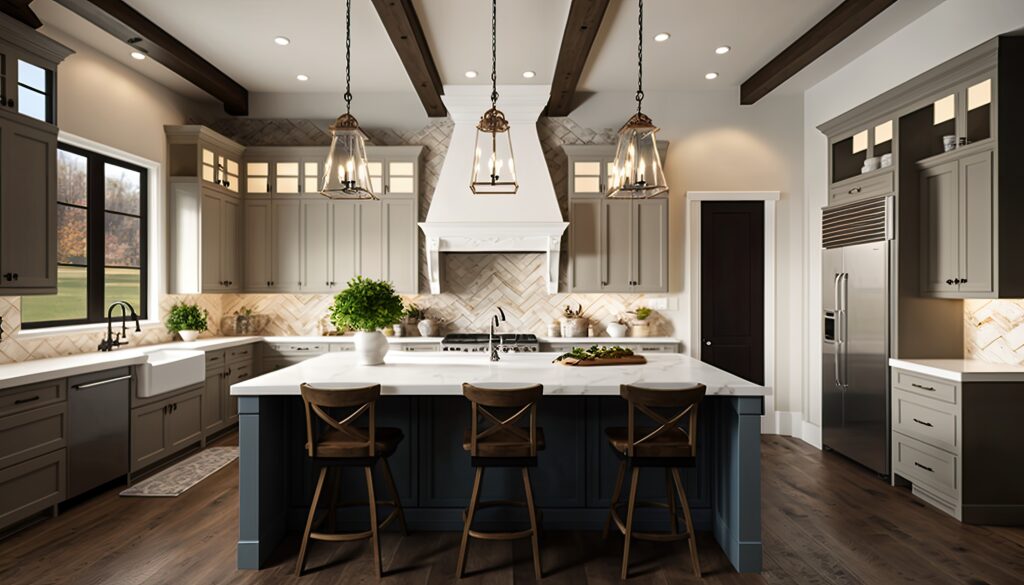
Spoiler: it’s fully loaded. The base price covers the standard package, and everything that made that kitchen look so good might be an upgrade. NewHomeSource recommends budgeting 10–25% of the base price for design center selections, and honestly, this is the best part of buying new construction. You get to choose exactly what goes into your home. Prioritize what matters most, go in with a budget, and enjoy every minute of it.
Yes, There’s an HOA Fee. Here’s What It Buys You.

Most master-planned communities have HOA fees, and Overland Ranch is no exception. But those fees are funding something genuinely worth having. The Silo amenity center with its wrap-around porch, fireplace, and pool access. Trails woven throughout the community. Pollinator gardens being planted right now. Don’t think of the HOA fee as an extra cost but more like a membership in to a neighborhood you’ll be proud to live in. Ask your builder’s sales team for the current fee structure so it’s baked into your monthly budget from day one.
Taxes and Insurance: Budget for It, Then Forget About It

Insurance is non-negotiable, and premiums have climbed in recent years. A Zillow and Thumbtack study found they’ve risen 48% since 2020. The upside of buying new construction is that modern building codes and energy-efficient systems often translate to better rates than older homes. Get a few quotes before closing, build the number into your monthly budget, and move on.
Aurora’s effective property tax rate runs around 0.60%, which is well below the national median of 1.02% per Ownwell’s analysis of local property records. SmartAsset’s Colorado property tax calculator is a handy tool for estimating your specific bill, and your lender can wrap taxes and insurance into a monthly escrow payment so nothing catches you off guard at closing.
The Finishing Touches: Save Room for the Fun Stuff

Window treatments, upgraded light fixtures, backyard landscaping — these come after move-in, and they’re also the fun part. Home building experts recommend setting aside 10–20% of your total budget for finishing touches so you can tackle them with excitement rather than stress. Think of it as your “personalization” budget. You’ve earned it.
Moving Costs: The Easiest One to Plan For
Professional movers, packing supplies, the inevitable Walmart/Home Depot/Target run — moving costs are also the most predictable item on this list. Booking mid-month or on a weekday can meaningfully reduce costs, and getting a few quotes early puts you firmly in control. By moving day, the only thing on your mind should be which room to set up first.
You’ve Got This, and You’ve Got Great Builders in Your Corner
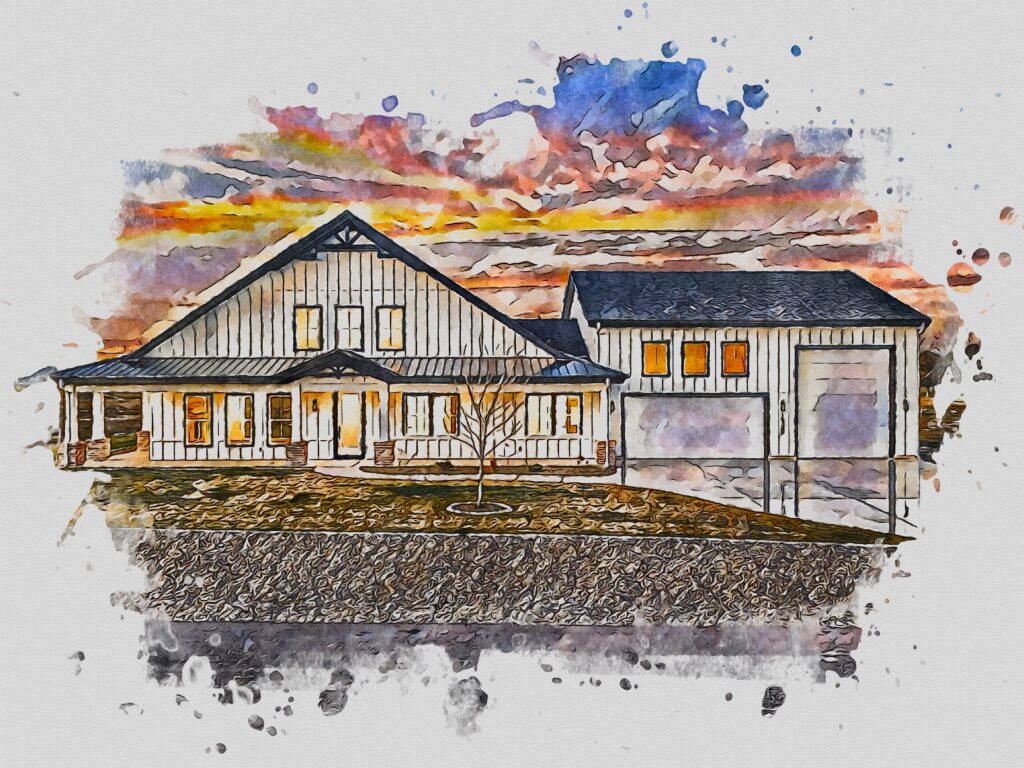
The sales teams and affiliated lenders at Century Communities, Pulte Homes, Richmond American, and Toll Brothers are invested in making sure you understand the full picture and in helping you find every incentive available to you.
Go in informed, go in excited, and join the VIP Interest List to stay in the know from Day One. Your dream home is worth every bit of the journey.