

Most people don’t think too hard about a community’s name. If it sounds good, makes some kind of sense and looks good on a sign, everybody’s happy and that’s usually the end of it. But Overland Ranch is different. The name isn’t a marketing ploy — it’s a piece of actual history, rooted in the sprawling expanse that is Southeast Aurora, and part of a remarkable story of how the American West was built. Pioneer by pioneer, miner by miner, immigrant by immigrant.
And we wanted to give you a taste of that story:
The Overland Trail
In the 1860s, the most important road in America ran right through this part of Colorado. The Overland Trail — also known as the Overland Stage Line — stretched from Atchison, Kansas, all the way to Salt Lake City, Utah, cutting through the South Platte River corridor along what is now the northeastern edge of the Denver metro. Explorers, gold rush settlers, stagecoach drivers, traders, and homesteaders all moved along this route. According to Colorado State University’s History Matters, it was the only route upon which the federal government would permit travel between 1862 and 1868 — more traveled than the Oregon Trail, more traveled than anything else on the continent at the time.

The stagecoach line was run by Ben Holladay — known as the “Stagecoach King” — whose Overland Stage Company carried mail, passengers, and supplies across the frontier. By 1866, he employed more than 15,000 people and operated some 20,000 vehicles across 1,200 miles of stage lines. Stations were set up roughly every 12 miles along the route — small outposts of civilization in the middle of open prairie. The trail that ran through this corridor connected an entire country.
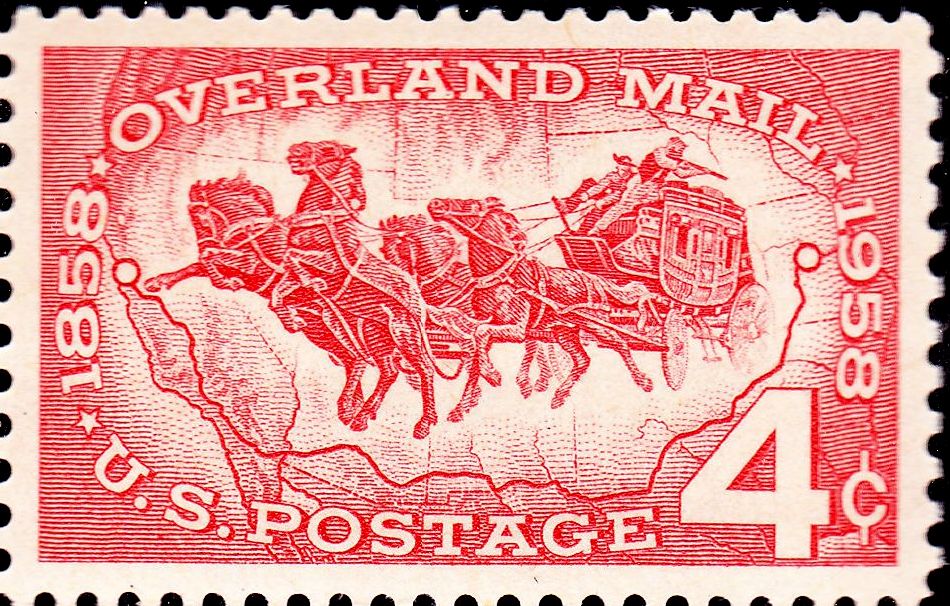
By 1870, the transcontinental railroad had arrived and the last stagecoach rolled into Denver. The era ended quietly. But the name — and the legacy — remained.
A Ranching Heritage
While the stagecoaches were rolling through, something else was taking root on the surrounding land. The Homestead Act of 1862 opened the fertile plains east of Denver to settlement, and the families began arriving. They built homes, dug wells, ran cattle, grew grain, and established the agricultural economy that would define this region for generations.
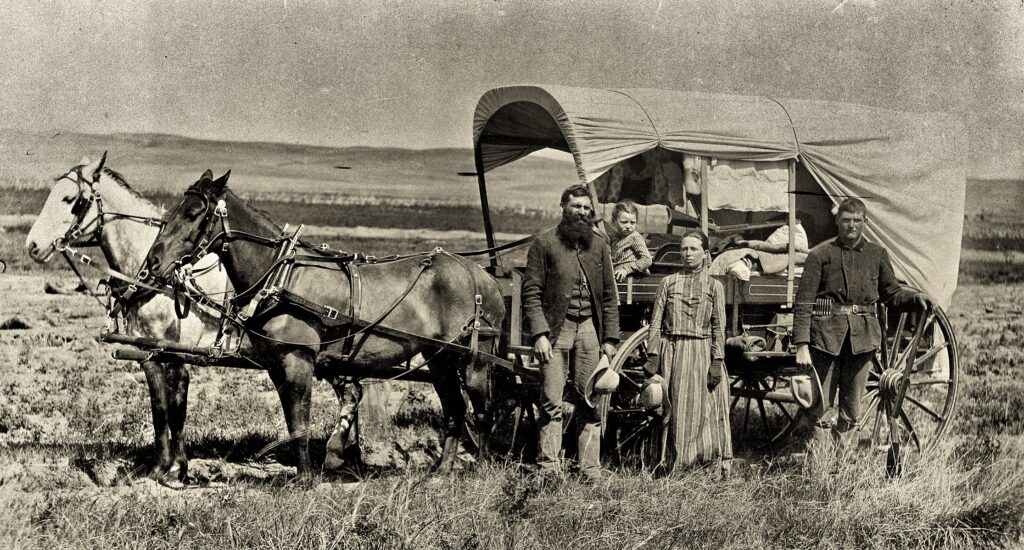
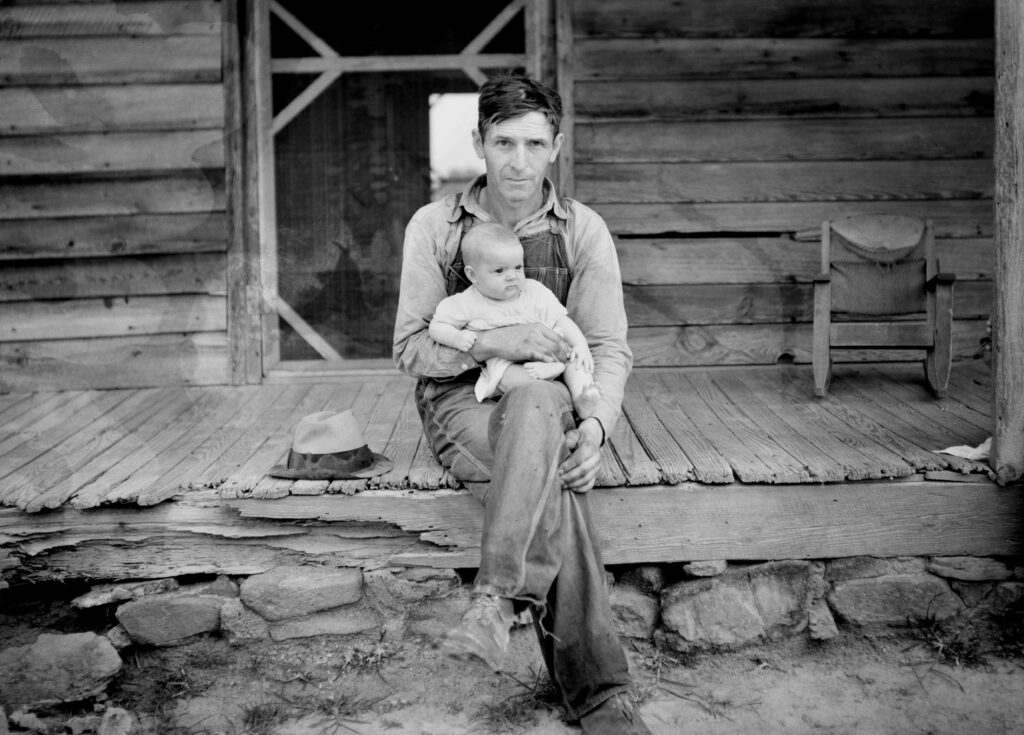
Aurora’s early identity was built on that ranching heritage. According to the Aurora Historical Society, the Gully Homestead — one of the oldest surviving properties in the city — was an Irish immigrant family’s cattle and horse ranch sitting at what is now Mississippi Avenue and Chambers Road, well within the southeastern Aurora footprint. The land that would eventually become Overland Ranch was first open range. That history here isn’t some ancient mythology, but little more than two generations removed from living memory.
You Can Still Touch That History Today
Here’s what makes this especially worth knowing: you don’t have to imagine it. Just a few miles from Overland Ranch, the Plains Conservation Center preserves 1,100 acres of restored Front Range prairie managed by the City of Aurora in partnership with Denver Botanic Gardens. Replica homestead buildings, a sod house, an heirloom vegetable garden growing varieties from 1800s seed stock, about 75 pronghorn roaming the grounds, and wagon tours that put you right in the middle of what this land looked like before the suburbs arrived.
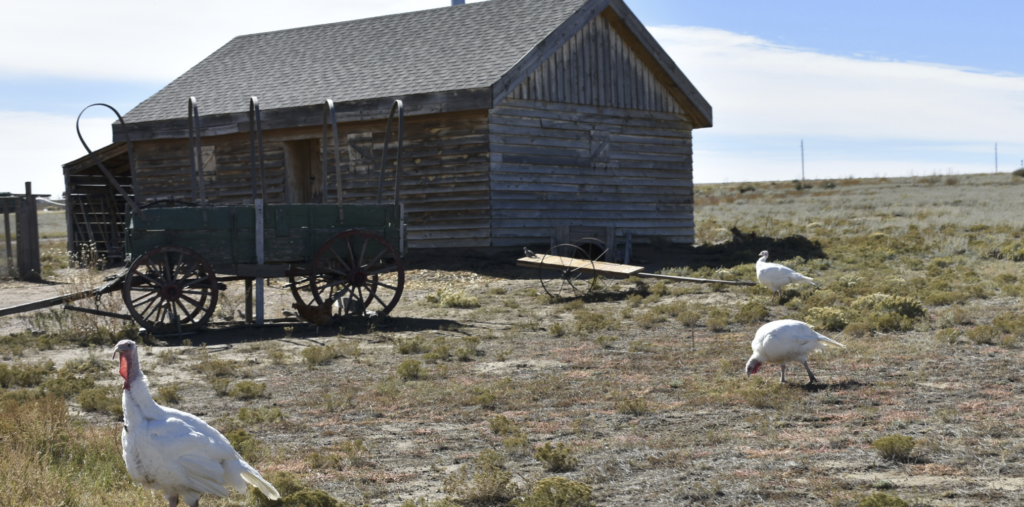
It’s a genuinely remarkable place — and for families moving to Overland Ranch, it’s the kind of field trip that can turn a history lesson into something kids can touch, and experience and remember.
A Name Worth Knowing
When you live at Overland Ranch, you’re not just buying a new home in Southeast Aurora. You’re putting down roots on land that has been traveled, worked, and settled for more than 160 years. The settlers who came through here on the Overland Trail were looking for exactly what you’re looking for — a place to build something long-lasting.
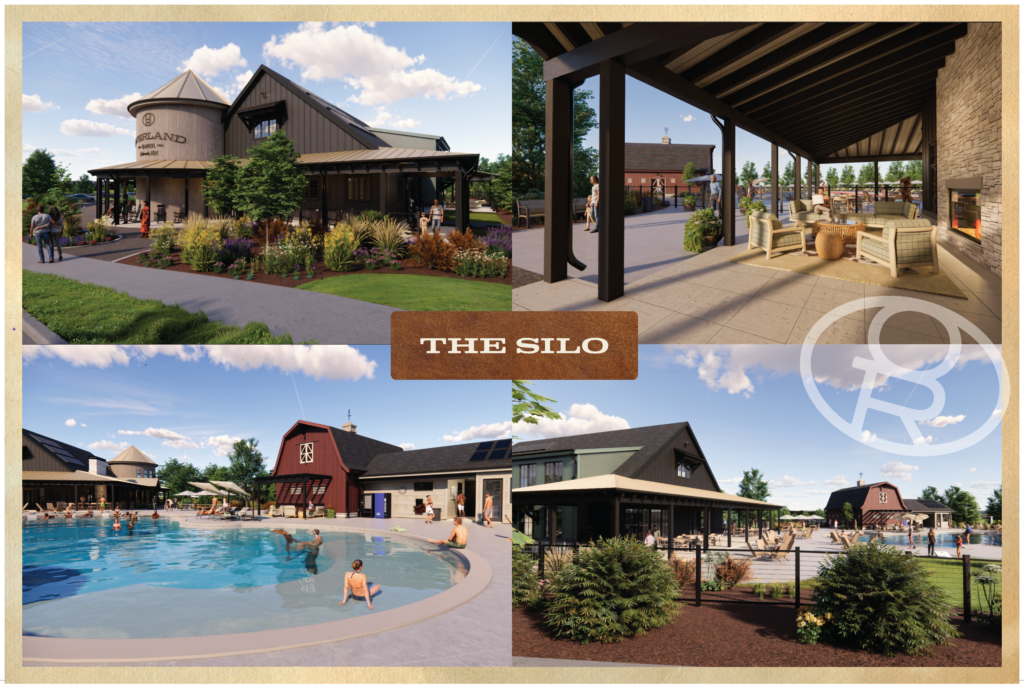
They found it here, and so will you.
Join The List of Aspiring Homebuyers
New homes at Overland Ranch are being developed by four exceptional builders — Century Communities, Pulte Homes, Richmond American, and Toll Brothers — with move-ins targeted for 2027. Aspiring homebuyers are fast becoming part of a growing interest list to get information and first access to everything as it unfolds. Join us, won’t you?