

There is something deeply satisfying about a brand-new yard. No previous owner’s questionable shrub choices to work around. No mystery perennials that may or may not come back. Just a clean slate, a little Colorado sunshine, and the exciting — and slightly overwhelming — question of where to begin.
If you’re planting your first garden at a new home, welcome to one of homeownership’s genuinely great pleasures. Here’s how to start smart.
First, Get to Know Your Yard

Before you buy a single plant, spend a few weeks just watching. Where does the morning light land? Which spots dry out fast? Where does water pool after rain? A new build means fresh landscaping, and fresh landscaping means your soil is probably going to need some love — new construction sites tend to strip topsoil during the building process, so amending with compost before planting will pay off all season long.
Colorado soil also skews alkaline, which some plants handle beautifully and others do not. Your local nursery, (like Nick’s Garden Center on S. Chambers in Aurora), can usually run a simple soil test and point you in the right direction.
Know Your Frost Dates (Seriously, Tattoo These on Your Forehead)
Okay, maybe not literally. But close.
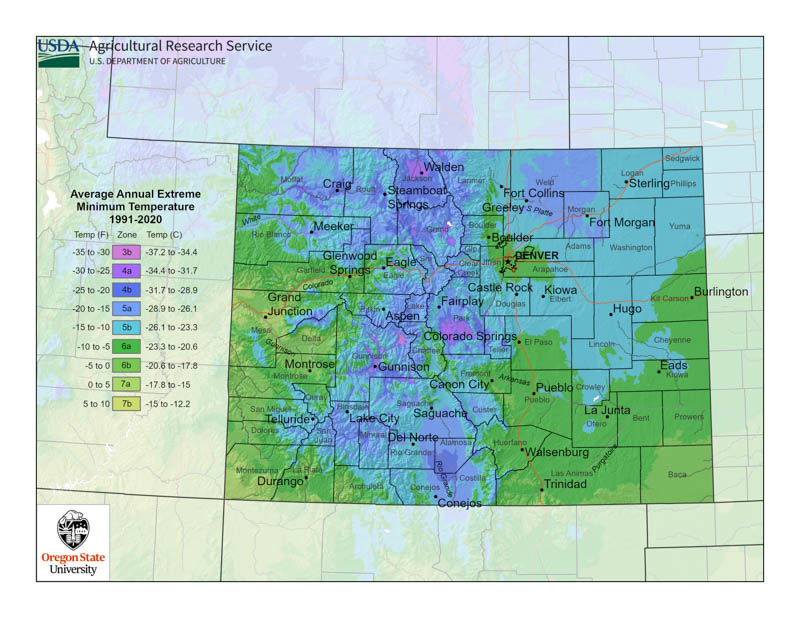
Along the Front Range, last spring frosts typically run from late April into mid-May, with first fall frosts arriving from late September to mid-October. That’s roughly a five-to-six month growing season, which is honestly plenty — as long as you respect those bookend dates.
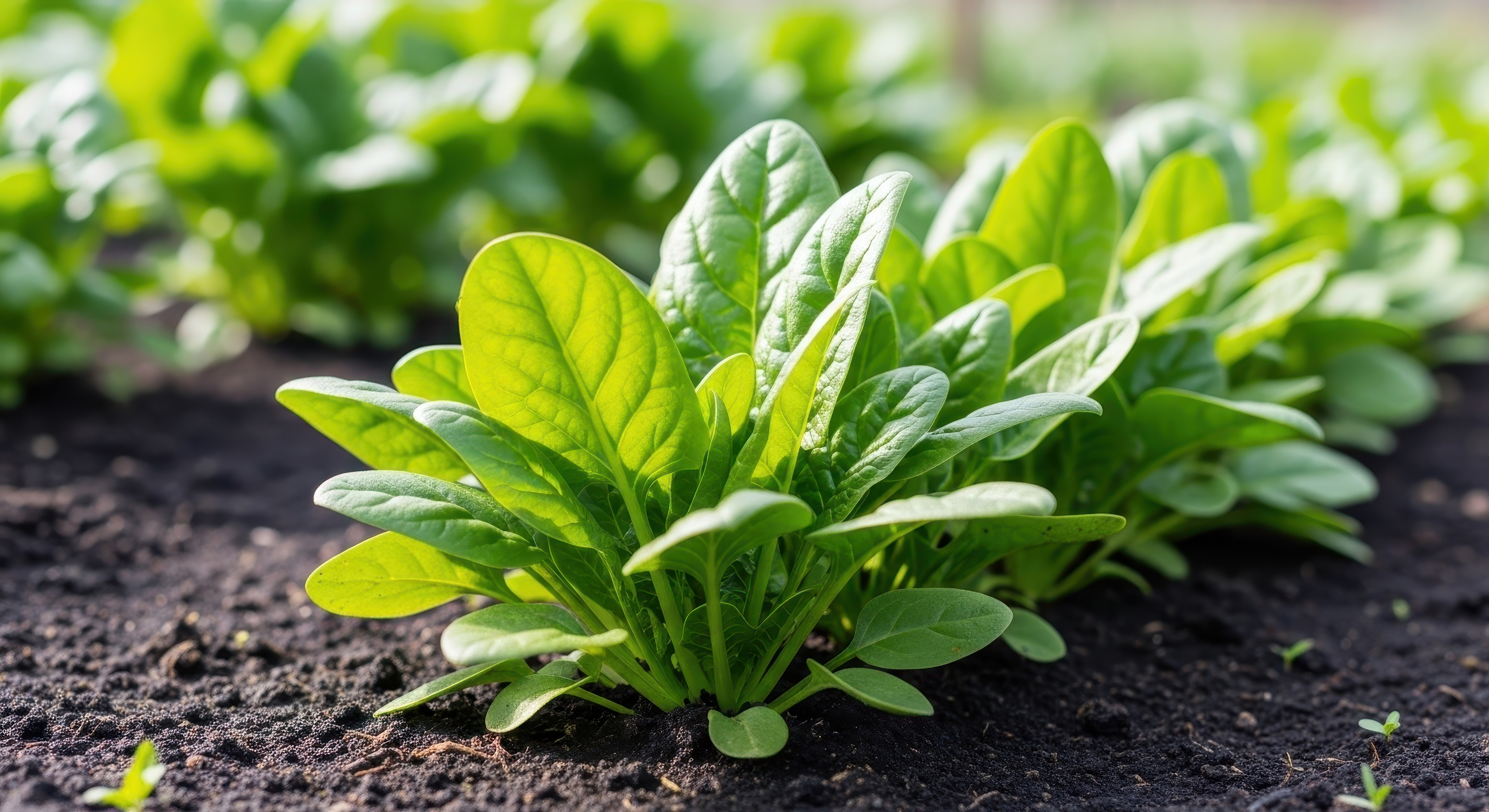
The golden rule: cold-tolerant crops like spinach, lettuce, kale, and onions can go in well before the last frost, but tender crops like tomatoes and basil need to wait until all danger of frost has passed. Push too early on the warm-season stuff and one late May cold snap will remind you who’s actually in charge around here. (Spoiler: it’s not you.)
A Rough Planting Playbook
Gardening season on the Front Range runs from late March all the way to late October, but not everything plays by the same rules. Here’s how to think about the season:
Right now: Start tomatoes, peppers, and eggplant indoors. They need 8–10 weeks of cozy indoor life before they’re ready to face the world.

Early April: Direct-seed cold-hardy crops outside. Peas, radishes, spinach, and carrots can handle the cool temps and will love the early start.
Late May – early June: Once the frost risk has passed, it’s full-on go time. Tomatoes, squash, cucumbers, herbs, and annual flowers can all go in the ground. This is the fun part.
July: For the Front Range, mid-summer is actually a great time to direct-seed cool-season crops again for a fall harvest — kale, lettuce, and beets that mature in the gentler temps of September and October. Two harvests in one season. Overachiever status, unlocked.
What Thrives Here

Here’s the good news: Colorado is genuinely great gardening territory if you lean into what it does well. Intense sun, low humidity, long warm days in summer. Tomatoes love it (especially cherry varieties). Herbs go absolutely wild — basil, rosemary, thyme, and mint practically take care of themselves once they’re established. Native perennials like black-eyed Susans, salvia, and coneflowers are tough, drought-tolerant, and bring in the pollinators like it’s a polli-party. And if you want big color with almost zero effort, marigolds and zinnias are your ride-or-dies.
Where to Shop Local

Do yourself a favor and skip the big box store for your new home landscaping and gardening. Go somewhere with staff who actually know Colorado soil and will talk you out of the stuff that won’t survive here.
A few favorites with more details close to home:
Nick’s Garden Center in Aurora has been a neighborhood staple for over 30 years, with a huge year-round selection and staff who genuinely know their stuff. They also run a seasonal farm market starting in July — great for seeing what Colorado-grown produce looks like before you try growing your own.

Pine Lane Nursery in Parker is a family-owned gem on nearly 10 acres, with plants sourced locally or grown on-site and selected specifically for hardiness and proven success in Colorado. Their spring hanging baskets are locally famous and arrive right around Mother’s Day, if you need a hint to drop somewhere.
Tagawa Gardens in Centennial has been helping Colorado gardeners succeed since 1982, with four acres of greenhouses and a perennial team that will help you match the right plant to every corner of your yard. Go once and you’ll go back every season. Fair warning.

Start Small. Seriously.
The biggest first-garden mistake isn’t planting the wrong thing — it’s planting way too much. Pick one or two raised beds, a container herb garden on the patio, or a simple flower border. Do that one thing really well. You’ll learn more from one focused season than from an overly ambitious sprawl that has you stress-watering at 10 p.m. in August (which city officials frown on, BTW).
A Fresh Start in Aurora

Overland Ranch checks all the right boxes for today’s homebuyers: quick commutes, great healthcare, top-notch schools, and a lineup of fun ways to spend your weekends. Add in smartly designed homes with the latest tech — and a backyard just waiting for its first garden — and you’ve got a community built for real life, not just the highlight reel. Join the VIP Interest List and be the first to hear about what’s new at an Overland Ranch Meet the Builders event next month: April 23. Your future address might be waiting!